Web design is not just about creating pretty pictures, it’s also not just about copywriting, typography and layout – it’s about combining all of these things aesthetically and giving it form and function. Most of all though, a successful website design is a result of clear direction which facilitates easy access to its content. In order to achieve this, you have to think strategically.
What is strategic design?
Strategic design is a mergence of your administrative skills. It is an organisational goal that helps you create a client interface that is aesthetically pleasing and user friendly. Remember, users should be able to access information easily, so you need to ensure that this happens.
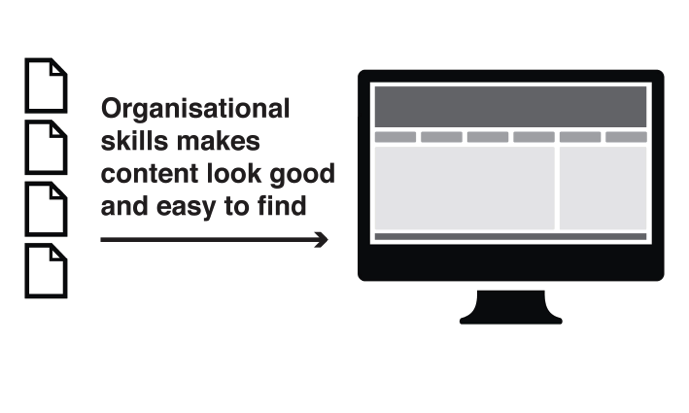
You need to prioritise information in order to make it accessible. Clients will think that all the information is equally important, but you have to break it down logically to avoid clutter. In short, you need to make it easy for users to find the information they need.
It’s important to differentiate your design from a trendy thing to do and something that sports a specific and defined function. Although trends are good and help push us to think outside the box and inspire us with new techniques or methodology, we cannot let the implementation of these trends be random and confusing. Design has a purpose; you should never just design for design’s sake.
For example, a blog is not just a one-way conversation; it becomes a place where you have a relationship with your visitor. Otherwise they won’t keep coming back, and surely that is the point. If you get a loyal following it will allow you to make money off your blog either through advertising or offering alternate resources that can be billed for.
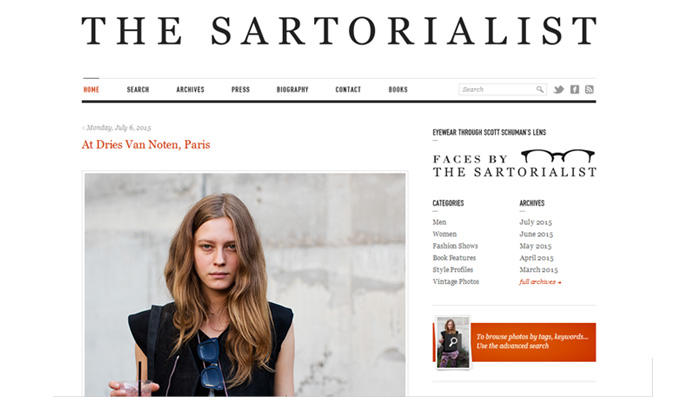
The Sartorialist has been successful at cascading his photography hobby into books. He uses his phenomenally successful blog as a tool to sell his books.
On the other hand, a gaming website will need to be extremely visual. Again, you should not just use visuals for the sake of using visuals. One should carefully select visuals from the game and build a website that creates the effect of actually playing the game. If users can get a taste of what the game is like, chances are much greater that they will buy it. It is thus a promotional piece that can be highly interactive. You could also use video to a great degree so that visitors get a true sense of the game and what awaits them if they buy it. A few years ago video was been a big no-no, especially based on bandwidth implications. With technology moving at such a rapid pace, video is now accepted as the norm and is even becoming a requirement for promotional websites.
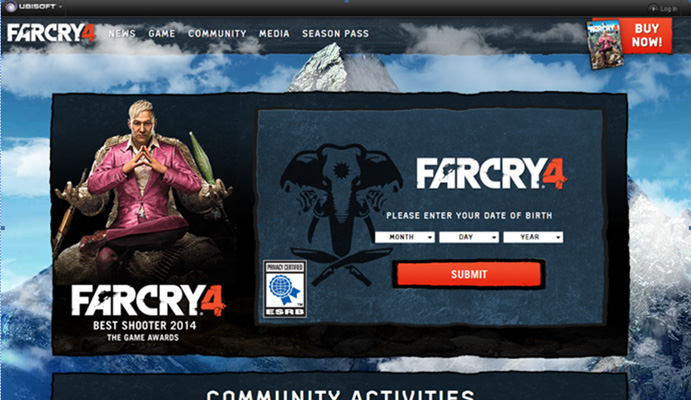
Farcry is currently one of the world’s favourite games (January 2013). Its website definitely let’s you see why.
The effectiveness of a website is not simply measured by the number of visitors and clicks on links, it also has to be measured on its business objectives and whether those objectives were met. If you just focus on implementing the latest trends, then it is unlikely that the website will be very effective. Web Design is about combining the objectives with the content and the aesthetics. To achieve something that is highly successful would mean that you have communicated all these elements and linked them to specific goals. Strategic design is about being able to identify these goals and using them to guide you through the design.
Here are six steps that will help you implement a strategic aspect to the Web Design process.
1. You need to establish goals
You may have a mountain of information to make sense of for a website, but your main objective should be to establish why your client wants a new or updated website in the first place. You need to figure out what the website’s main purpose is. Once you have established that, you can manage your client’s expectations and your own. In order to deliver a successful product, both you and the client need to have the same understanding and expectation.
A website is not a pretty picture that you hang up on a wall so that everyone can marvel at your fantastic design skills. It is an interface that serves a specific function. Of course different websites will have different specific functions. Here are some examples.
A news website’s greatest goal is to deliver current news.
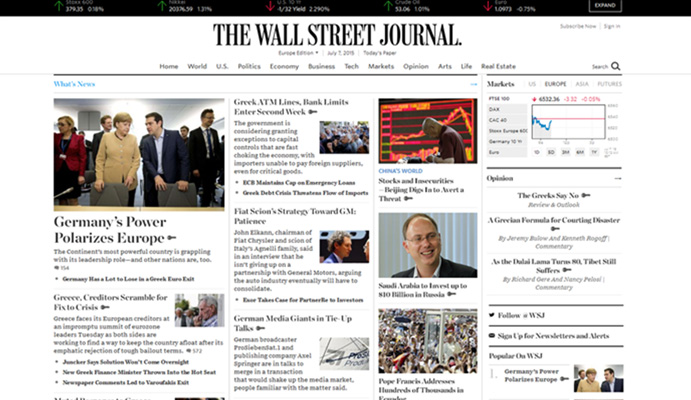
The Wall Street Journal has a minimalistic homepage that delivers the latest and most current news articles relating to business.
A website that is involved in promoting events and selling related products usually have a much busier design. Instead of being clean and objective, it creates emotion that links users to the brand.
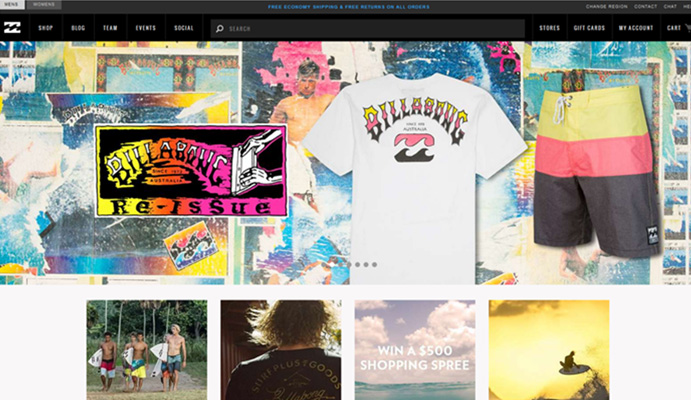
Billabong uses a simple feature right up front to differentiate between men and women, allowing the website to give each visitor a more emotionally accurate experience.
2. Who is your audience?
As Billabong demonstrates, it’s extremely important to find out who your target audience is. Once you have that in mind, it allows you to figure out how to give each viewer an individual experience. A surf brand has a different audience to a law firm, although a lawyer may wear surfer’s clothing in his free time or enjoy watching surf events. It is however safer to go with the masses and assume that the law firm’s website will have a clean and professional look, while the surfer’s website will have a more adventurous or grungy look.
You can get away with a very tech savvy website if you have a technically inclined visitor, but it would baffle a user who barely knows how to switch on a computer.
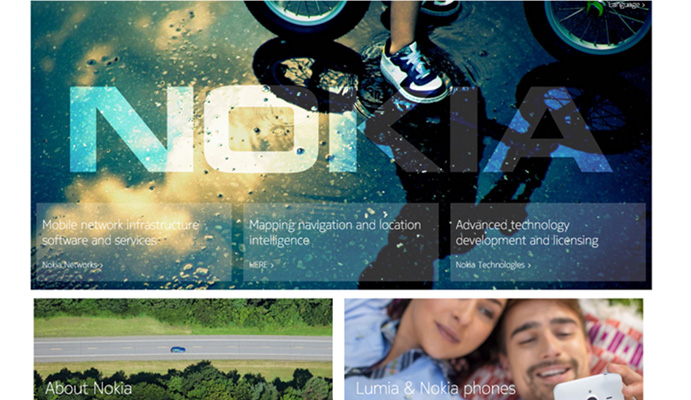
Nokia is reliant on the fact that visitors to their website are pretty tech savvy and always want the latest and best that technology has to offer, so they put that right upfront as they know it will get clicked on. Also, it makes their product more credible. If they say they have the latest in cellular technology, but their website is ancient, it will do damage to their brand.
The audience will definitely influence your visual aesthetic. They will also depict how your content is structured, because they should be able to immediately find what they are looking for.

BBC Cbeebis does a great job of tying their website into their television programmes, allowing kids to immediately identify with the website.
3. What is your brand’s image?
This is an important question, because it forms part of the main direction of your strategy. Even if your visitor is a businessman, you cannot create a business website when the website is for a surf brand. If you cater for the taste of a teenager, a housewife and a businessman at the same time, the brand will become schizophrenic. The solution here is to focus on the main target market.
Another pitfall is that a lot of designers end up being inspired by the latest trends and implement them without thinking too much about what the brand image is. Glossy buttons and reflections may work well for some websites, but they may just not be right for the particular brand that you are working on. (For example, the glossy buttons and reflections would probably work Mike’s Auto Repairs, but Sarah’s Scrapbooking would require a more “handmade” look and feel.) Think about what you want to achieve and what emotion you want your website to elicit from a visitor. Then implement that into the character of your brand.
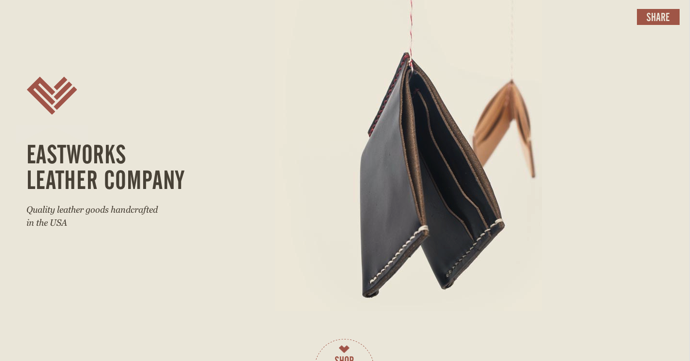
Eastworks Leather Company has a beautiful handcrafted product, which of course makes it expensive compared to similar mass-produced products. That means that their clientele are most likely businessmen or professionals who can afford it. This website showcases their products in a beautiful clean way and the design is well integrated with the brand image. It boasts a look that will appeal to the high-income market.
4. Solve the problem
After completing the above three steps, you have all the information you need to start designing. How do you get this information to sync with your website strategy?
Let’s illustrate this with a real example:
Your client has an existing website at the moment. The main gripe that they have is that they don’t have a place where they can showcase their latest or newest products. Taking into account the target audience, the brand image and the website’s main goal, we can already establish some simple things that will need to happen in order to align with the client’s strategy.
One of the first things you will need to consider is creating a space on the homepage that will be dedicated to this task. You need to consider that there may be more than one product that will have to be featured on this space. Based on its importance you will need to decide the size of the real estate on the homepage.
You can decide whether you want to create this space using Flash, html 5 or a simple JavaScript command. Whichever way you choose to execute it, it needs to fulfil this main objective in order to meet the client’s expectation.
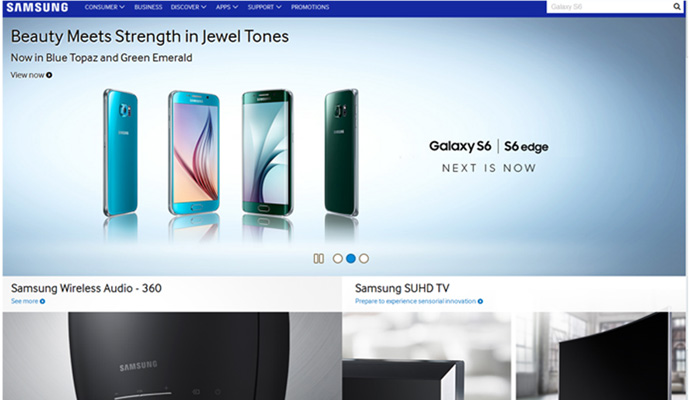
Samsung has a complicated product range, but their website does a magnificent job of using a dedicated space to highlight their wide range of products. They also have buttons right up front that allow you to click through to the product you want more information about.
5. Measure your results
This is an extremely important step in the process. This is how you see if the website that you’ve created is achieving its set objectives and ultimately that the strategy was correct in the first place.
There are simple ways of measuring the results. For instance, if you want to increase your client’s database, then it can be as simple as exporting the list out of your database at launch and then do it again a week later. Compare the two lists and see how many users have been added. These measurements can of course be a real science of complex analysis that is way beyond simplified explanation. In fact, there are many people that have turned this science into a career. One of the favourite tools to use for analysis is of course Google Analytics.
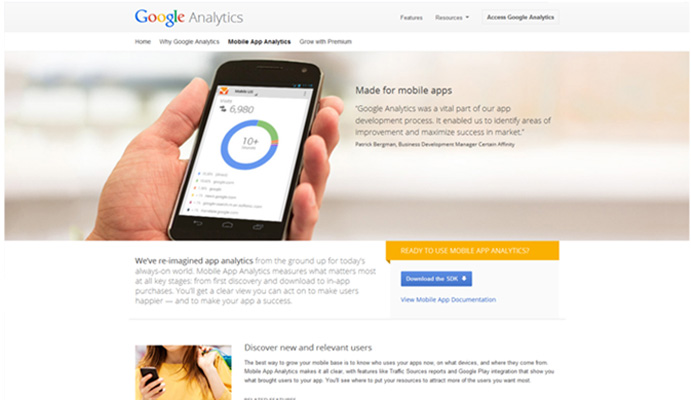
Google Analytics is a website worth looking into, it’s free and simple to use. You can set complex tasks that can track very detailed conversions.
If this part of the step feels too complex or time consuming for you, then make sure that your website costing includes analysis. In this way you can hire professionals to do it for you. Remember to brief these professionals thoroughly and make sure that the results are delivered to your client. Below is an example of a company that specialises in this field.
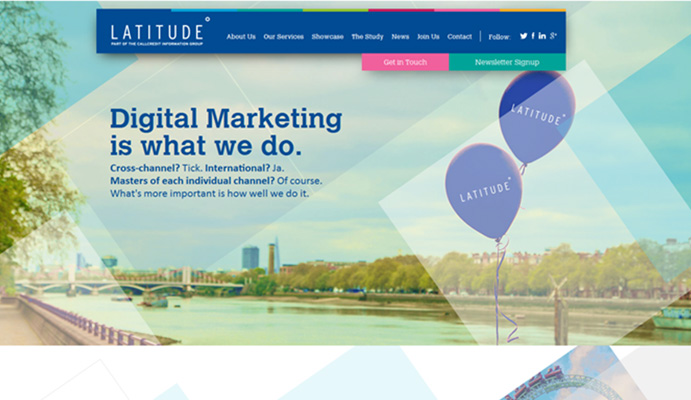
Latitude is a Google Analytics partner in Europe.
6. Always look for little improvements
Once your website is designed and loaded, you will still have an opportunity to change things. Monitor the analysis, because it will give you insight into things that are potentially not working on your website. If the analysis is showing negative results, it does not necessarily mean that you need to completely change something. It probably means that you need to just make some small adjustments to get better results. That is of course provided that you have designed the website correctly in the first place.
In closing
Strategic design sounds very complicated, but in reality it’s just common sense. You are not just thinking of yourself while you are designing a website, but you are taking into account all aspects that affect the design. The visitor, trends, the client’s business objectives are all combined to create a website that looks professional, works well and is easy to use. In other words, it’s about beauty AND function.
Ask lots of questions during the process. Why is this button this colour? Why are we using tabs? Why should we use icons here? This will get you into the habit of questioning yourself and also coming up with answers, because your clients will definitely question your reasons around your design and your answers need to be rational. Don’t just design a beautiful website, create one that really works.